
Content Warning: This article discusses death, suicide, anti-transgender violence, and grief, which may be triggering to some readers. Please read with caution and take breaks if needed. Resources for emotional support are included.
Each transgender person lost to violence or suicide was far more than a statistic. Behind every name was someone with routines, favorite things, people they loved, and hopes for a future they should have had time to pursue.
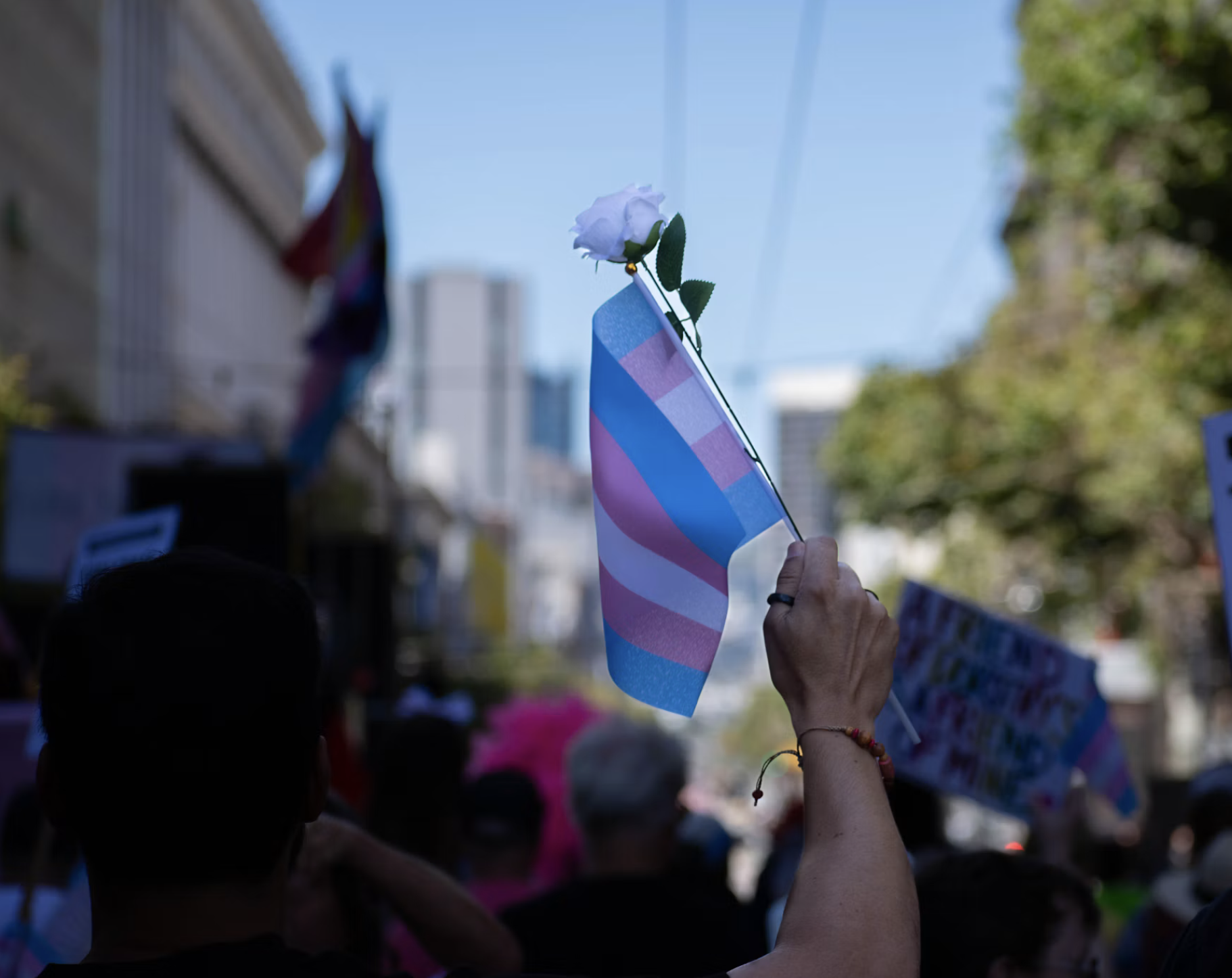
Transgender Day of Remembrance (TDOR) offers space to honor their memory, support one another, and co-create a safer future for our trans and gender non-conforming neighbors. As an LGBTQ+ Care Center in Phoenix, Arizona, Spectrum Medical is observing TDOR by relaying some important resources to help us care for each other throughout the year.
What is Transgender Day of Remembrance?
Commemorated annually on November 20, TDOR pays tribute to people who died from anti-trans violence and transphobia. It was first observed in 1999 following the murder of Rita Hester, a Black trans woman in Massachusetts. Trans activist Gwendolyn Ann Smith created TDOR to keep Hester’s memory alive and honor others whose lives were prematurely cut short.
Violence against trans people remains a significant problem in the US. Trans people face disproportionate risks of violence and suicidal ideation, with Black trans women especially affected.
Communities worldwide now gather to speak the names of those lost and support those grieving on TDOR. Participation is personal and there is no one way to grieve properly. You might attend a vigil, share a post, or reflect privately. Whatever the case, TDOR grants us time to process, connect, and consider how we can shape a world where every trans person can live a long, healthy life free from violence or discrimination.
Making Space for Loss and Grief
Every person’s life matters beyond the circumstances of their death. Regardless if someone died by transphobic violence or suicide, we can uplift their memory and the people and communities who miss them.
News of violent deaths can be distressing, even when you don’t know the person. Graphic coverage can be triggering or bring up past trauma. Taking breaks from news/social media doesn’t mean you don’t care; we can always honor someone without focusing on the nature of their death.
The incidence of suicide also calls for compassion over blame. The National Institute of Mental Health explains that suicide involves many factors. Anti-trans discrimination and harassment may play a role, but there may be other factors that can’t be reduced to a person’s identity.
Critically, neither violence nor suicide is inevitable in transgender life.
Grief can cause sadness, anger, guilt, numbness, and everyone’s experience is different. Connecting with a loved one, a healthcare professional, or a peer support group can help you discover healthy ways to cope with loss.
If you know someone grieving, one simple act of support can make a difference. Offering a ride, a meal, or just being physically with someone can help them feel less alone. If you are struggling, you don’t need to wait until things feel overwhelming to reach out to a trusted friend or healthcare professional. Support is available even if you can’t find the words to explain what you’re feeling.
Where Can You Get Support Right Now?
If you or someone you know needs immediate emotional support, these resources are available:
- 988 Suicide & Crisis Lifeline: Call or text 988, or chat at 988lifeline.org for free, confidential support available 24/7. Counselors can support people experiencing suicidal ideation, loneliness, or other difficult situations.
- The Trevor Project: LGBTQ+ people under 25 can call 1-866-488-7386, text START to 678678, or visit The Trevor Project to chat. Crisis services are free and available 24/7.
- Hospice of the Valley grief support: This Maricopa County organization offers free in-person and virtual support groups for grieving adults*. Its Healing Rainbows virtual group is specifically for the LGBTQ+ community. Call 602-636-5390 for more information. *You do not need to have had a loved one in hospice to attend the community groups.
How Affirming Care Uplifts the Trans Community
When trans patients have healthcare that respects their identity and experiences, they are more empowered to thrive through every era of life. Access to gender-affirming treatments can also help people pursue their authentic selves. In this way, providers play an important role in suicide prevention and creating safer spaces for trans people to exist.
But in order for people to feel safe talking about their health, there has to be trust. At Spectrum Medical, we always strive to make room for people to feel safe discussing symptoms, questions, sexual health, or their personal goals without having to defend who they are or how they live.
We believe that dignity in healthcare is rooted in small, everyday actions:
- Using name/pronouns correctly & consistently
- Protecting patient privacy
- Explaining options clearly
- Active listening
- Shared decision-making between patient & provider
This is a matter of respect: the kind of dignity every human being deserves. Because access to compassionate, non-judgmental care is a right, not a left-or-right political stance.
For trans patients, it’s crucial that health conversations meaningfully include preventative care, medications, sexual wellness, aging, and personal goals. Spectrum Medical’s approach to atención de afirmación de género includes hormone replacement therapy and surgery referral, but we also see transgender health as ongoing primary care and access to inclusive gynecological care.
Our team is also more than happy to refer our patients to culturally responsive mental health professionals or peer groups who specialize in LGBTQ+ issues. Whether you’re looking for support with grief, ongoing counseling, or someone to talk about trans-specific experiences, we welcome you to tell our providers what you’re looking for.
Carrying Remembrance Into Everyday Care
Spectrum Medical remembers the trans lives lost to violence or suicide through our commitment to whole-person care. We’re here to listen to what matters to you today, deliver care that protects your health tomorrow, and get you in touch with any other care you may need to live fully and authentically.
Our role as health providers caring for trans patients is to put their wellbeing in reach and support the lives they want to build. If you’re looking for ongoing care in Arizona or support finding a health referral, give us a call at 602-604-9500 or complete our new patient form.
 English
 Español de México