
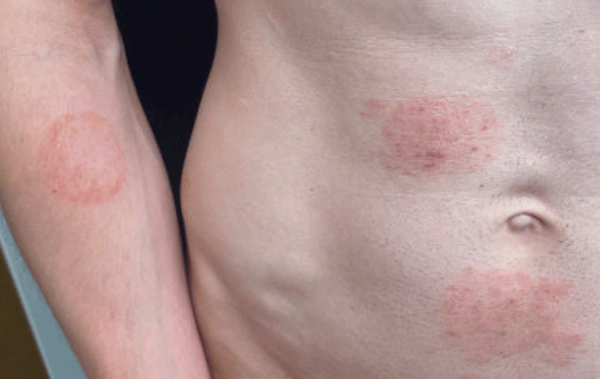
What Is TMVII?
TMVII is a fungal infection that spreads primarily through intimate skin-to-skin contact, including sexual contact. This strain of fungus is related to ringworm but behaves differently than common fungal infections.
Unlike more familiar conditions like athlete’s foot or jock itch, TMVII:
- Can cause painful, coin-shaped rashes
- May appear on the genitals, buttocks, arms, rorso, or legs
- Often does not respond to typical topical treatments
- Requires oral antifungal medication and can take weeks to resolve
Why Is TMVII Getting Attention Now?
While TMVII is not entirely new, medical professionals consider it an emerging strain that has only recently been identified in outbreaks.
Key developments:
- First identified in outbreaks in Europe around 2023
- First U.S. case reported in 2024
- A larger outbreak of at least 30 cases occurred in Minnesota in 2025
- Cases have now been identified in multiple U.S. cities
Public health experts are paying attention because:
- TMVII can be misdiagnosed
- Awareness is still low among both patients and providers
- Testing and reporting are still limited
Who Is Most Affected?
So far, TMVII has been most commonly identified among sexually active gay and bisexual men, though anyone can get it through close skin-to-skin contact. It is important to approach this information without stigma, as STIs do not define a person and early awareness helps protect individuals and communities.
How Does TMVII Spread?
TMVII spreads through:
- Sexual contact
- Direct skin-to-skin contact
- Sharing items like towels or linens
Like many STIs, it can spread more easily when:
- Symptoms are not recognized
- Testing is delayed
- People are unaware they may have been exposed
What Are the Symptoms?
Symptoms may look similar to other skin conditions, which is why proper evaluation matters.
Common signs of TMVII include:
- Itchy, scaly, or inflamed rash
- Painful lesions
- Rash in the groin, buttocks, or genital area
- Rash that does not improve with standard antifungal creams
If something feels off, it is always worth getting checked.
Why Early Testing Matters
Many STIs, including TMVII, may not be immediately recognized.
Early testing and evaluation help:
- Ensure accurate diagnosis
- Start the right treatment sooner
- Reduce the risk of spreading the infection
Experts note that lack of awareness and delayed testing can allow infections like TMVII to spread quietly.
How Is TMVII Treated?
TMVII is treatable, but it typically requires oral antifungal medication and a longer treatment timeline than common fungal infections.
This is why it is important not to self-diagnose or rely only on over-the-counter treatments if symptoms persist.
How to Reduce Your Risk
Protecting your health does not mean changing who you are. It means staying informed and proactive. To avoid contracting TMVII, consider taking the following precautions:
- Avoiding physical contact with active rashes or lesions
- Not sharing towels, bedding, or other personal items
- Having open conversations with partners
- Getting evaluated if you notice new or unusual symptoms
- Staying consistent with routine testing
These are the same principles we at Spectrum Medical apply to all sexual health matters: awareness, communication, and proactive care.
What This Means for LGBTQ+ Health
Emerging infections like TMVII highlight an important reality: LGBTQ+ communities are often at the forefront of new public health trends, but not always at the center of early awareness or response. That is why culturally competent care matters.
At Spectrum Medical Care Center, we:
- Stay current on emerging infections and treatments
- Provide routine testing and sexual health services
- Offer PrEP, HIV care, and STI prevention
- Deliver gender-affirming and inclusive primary care
Remember: you should never have to educate your provider or question whether you are safe to be honest about your health.
When to See a Provider
You should consider seeing a healthcare provider if you notice:
- A rash that is painful, spreading, or not improving
- Symptoms in the genital or surrounding areas
- Any skin changes after intimate contact
- Concerns about possible STI exposure
Even if it turns out to be something minor, getting clarity matters.
FAQs
What is TMVII?
TMVII is a fungal STI that spreads through close skin-to-skin contact and can cause painful rashes that require oral treatment.
Is TMVII serious?
It is treatable, but it can take weeks to resolve. Early diagnosis helps prevent complications and spread.
Can anyone get TMVII?
Yes. While it has been most commonly identified in gay and bisexual men, anyone can be exposed through close contact.
How is TMVII different from other fungal infections?
It often does not respond to standard topical treatments and requires prescription oral medication.
Should I get tested?
If you have symptoms or think you may have been exposed, it is best to see a provider for evaluation.
Take Pride in Your Health
New infections can feel concerning, but knowledge is power. Staying informed, getting routine testing, and partnering with an LGBTQ+ affirming provider helps you stay in control of your health.
At Spectrum Medical Care Center, we are here to provide care that sees all of you.
 English
  Español de México