
In case you haven’t heard, measles is making a comeback in the United States. With over 1,814 confirmed cases this year alone, health experts are warning that America is likely to lose its elimination status this year for the highly contagious virus.
The current resurgence of measles is the biggest outbreak this country’s seen in decades, and that matters for LGBTQ+ communities. Measles doesn’t discriminate, and can impact your health, the health of chosen family, or the people you share community spaces with. Our team at Spectrum Medical Care Center in Phoenix is breaking down why measles is so serious and how you can avoid contracting the infectious disease.
Measles: The Facts
A single-stranded, enveloped RNA virus, measles is a highly contagious viral infection transmitted through the air. It spreads through droplets when an infected person coughs, sneezes, or breathes. Unlike many other viruses, measles can linger in the air for up to two hours, even after the person with measles has left a room. It is one of the most contagious viruses on earth, with an infectivity rate of close to 100% in susceptible individuals.
Here are some key facts about measles you should know:
- Nine out of 10 unvaccinated people exposed to measles will become infected
- Symptoms will appear one to two weeks after exposure
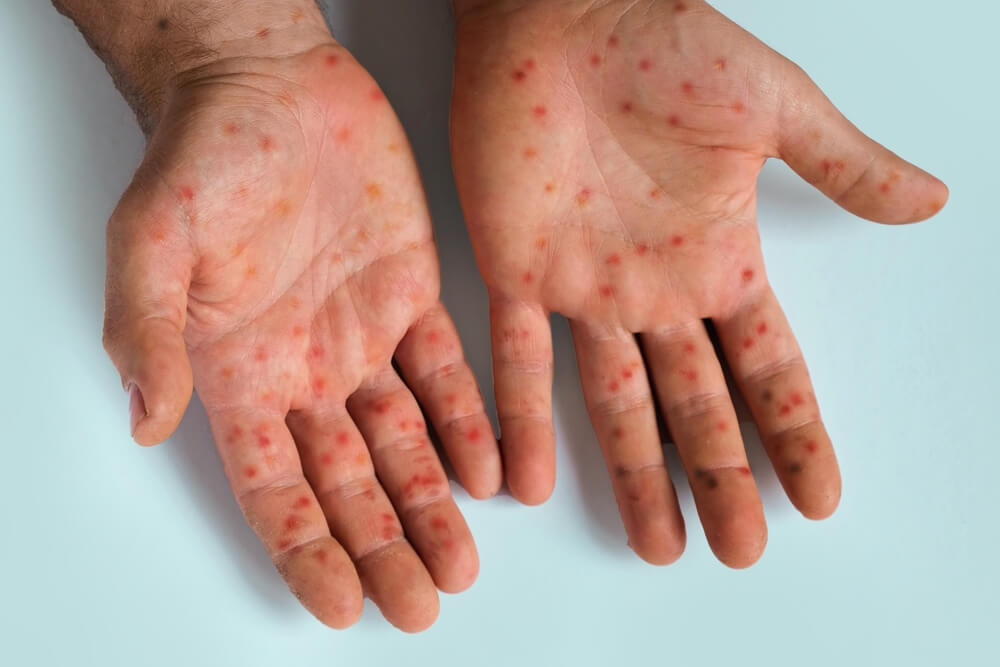
- A measles infection begins with fever, cough, watery eyes, or a runny nose, followed by a head-to-toe rash
- Complications from measles include pneumonia, ear infections, dehydration, blindness, brain inflammation, and even death
There is no surefire antiviral treatment for measles. Caring for measles patients treats symptoms, requiring rest, fluids, and monitoring for serious complications that necessitate emergency medical intervention.
Groups Most at Risk
With such high rates of infectivity, anyone who isn’t immunized against measles is vulnerable to contracting it. However, there are certain individuals and communities who are at a greater risk:
- Infants too young to be vaccinated
- Pregnant people who haven’t been vaccinated
- Unvaccinated adults, especially those born after 1957 who may have only received one dose or none at all
- International travelers visiting regions where measles is common
- Anyone with a compromised immune system, including people with untreated HIV or on certain medications
Your Best Defense: The MMR Vaccine
Humans are the only known natural host of measles, meaning the disease could be theoretically eradicated from the planet if enough people were immunized against it. While the U.S. declared measles eliminated in the country in 2000, surging cases threaten that status along with community safety. Thankfully, the MMR vaccine, which is safe and highly effective, is the single most effective way to prevent contracting and spreading measles.
The MMR (measles, mumps, rubella) vaccine has an approximate 93% efficacy rate with one dose administered, which jumps up to around 97% with a second dose. Serious reactions to the immunization are extremely rare, so if you are unsure whether you’ve received the vaccination, it’s a good idea to get another dose. It won’t cause any harm to you to receive the shot if you’re already immune.
The CDC recommends the following groups to get vaccinated against measles:
- Children (First dose at 12–15 months, second dose at 4–6 years)
- Adults born in or after 1957 without immunity (at least one dose)
- Healthcare workers, college students, and international travelers (two doses)
- High-risk groups, including immunocompromised people (consult your provider about dosage and timing)
Since individuals in the LGBTQ+ community already regularly face barriers to care, manage chronic conditions, and participate in community-based activities or spaces, staying up to date on MMR vaccinations provides critical protection against infection and serious injury.
5 Ways to Protect Yourself & Your Community
- Check your vaccination status.
Review or request your immunization history to ensure you’re up to date on your MMR shot(s). If you can’t find records and our team at Spectrum Medical can’t confirm if you’re vaccinated, we encourage you to get immunized. An additional dose of MMR immunity won’t typically hurt you beyond the jab itself, but it might save your life down the road!
- Get immunized if you haven’t already.
If you have never received the MMR vaccine, we encourage you to get immunized as soon as possible. Two doses provide the best protection. If you’ve only had one dose, schedule your second dose at least 28 days later.
Remember: when you get immunized, you’re not just protecting yourself, you’re caring for your community. You protect infants too young for the vaccine, your immunocompromised loved ones, and anyone who cannot receive the vaccine for medical reasons.
- Practice good hygiene and protect yourself from contagion.
Because measles is on the rise and transmitted through the air, you can protect yourself and others by practicing good hygiene. You can recall many of these best practices from the COVID-19 pandemic: cover coughs and sneezes with a tissue or your elbow, wash your hands frequently and thoroughly with soap and water, and don’t share drinks, utensils, or smoking devices with others. If you work, study, or live in a place with surfaces frequently touched by others, disinfect them with EPA-registered cleaners.
- Isolate yourself from others when you’re sick.
It’s generally beneficial to stay home from work, school, or community gatherings when you’re sick, so as to not spread the illness. If you suspect you may have been exposed to measles, it is extremely important to isolate yourself to avoid infecting those around you. This means not using public transportation, sitting in busy waiting rooms, or sharing close spaces.
- Wear a mask when you’re sick.
Similarly, it’s always a good idea to mask up when you feel under the weather if you’re around others. If you believe you have measles, or have symptoms that could be measles, it’s crucial to wear a mask (N95 or KN95, preferably) to reduce airborne spread. As mentioned above, measles can sit in the air for a while after an infected person is present; masking prevents transmission by limiting respiratory droplets in the air.
LGBTQ+ Health for Everything Life Throws At You
At Spectrum Medical, we know that quality healthcare for our community isn’t only the issues unique to the LGBTQ+ experience. We’re here to support your overall health, and that includes protecting you when there is increased concern about infectious disease. Our primary care services are tailored to provide you the preventive screenings and routine care you need to feel confident in yourself and your future, all while honoring your identity and health goals.
Have questions about vaccination status? Not sure if you need the MMR vaccine? Stop by for a primary care visit, and we’ll help you check your records and get protected. Because your health matters, your community matters, and especially nowadays, staying vaccinated matters.
 English
  Español de México