
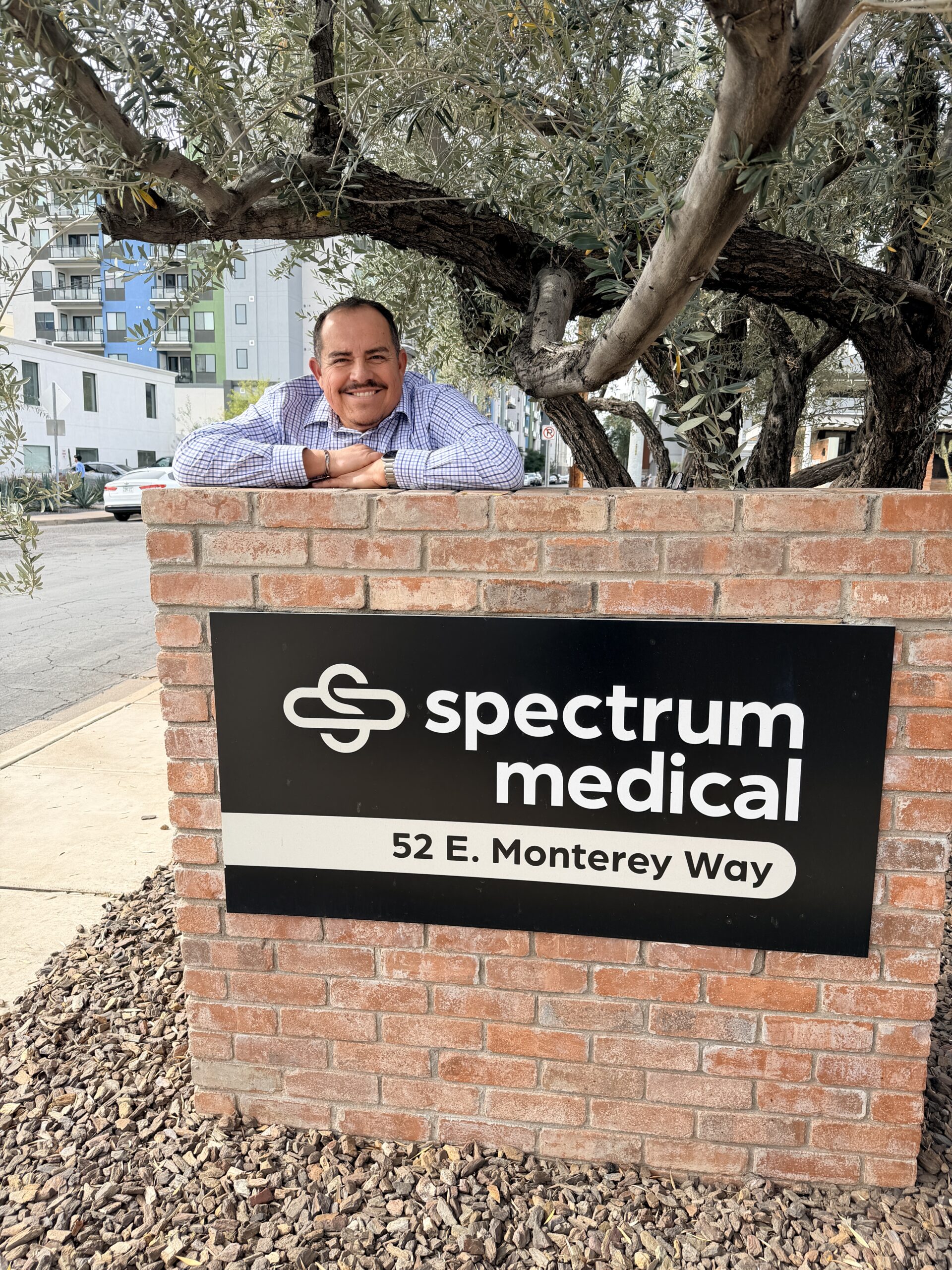
Ray Delgado serves as Senior Director of Communications and Community Development at Spectrum Medical Care Center, and wanted to share his personal decision to start taking YEZTUGO, a long-acting injectable form of HIV prevention that provides protection for up to six months at a time, as an awareness initiative. This reflection is shared in a personal capacity and is not sponsored by, affiliated with, or compensated by Gilead or any pharmaceutical company.
I’m a 52-year-old cis-gender gay male, and for most of my adult life, HIV has been something I actively dodged, feared, and quietly negotiated around. As a Latino man, I’ve also carried the awareness that our community faces disproportionately higher risks for HIV, something that has weighed on me over the years and made prevention feel not just personal, but urgent.
I came out at 19, at a time when HIV still felt like a death sentence. Even when you did everything “right,” the fear never really left. I was meticulous about my health, but still lived with the constant worry that a slip-up, a moment of trust, or simply being sexually active could change my life forever.
Testing back then was its own trauma. You went to seedy, fluorescent-lit clinics where you were grilled about your sex life by staff who tried to be nonjudgmental, but you still felt embarrassed or ashamed because anything less than perfection or abstinence was something you should have known better about. You chastised yourself, you promised to do better, you blamed the drinking, you prayed for safety. Then you waited. A week. Sometimes two. The waiting was excruciating. Every phone call, every day that passed, filled me with panic. That cycle shaped nearly two decades of my life.
When Truvada arrived, a medication used to prevent HIV, everything shifted, but my shift was gradual. I was skeptical. I still had sex with condoms for years because trust didn’t come easily after living through so much loss and fear. As the community gradually became more comfortable with condomless sex, I followed, cautiously at first, then more confidently. Over time, my relationship with sex became healthier, freer, and far less driven by fear.
I started taking daily Truvada as PrEP in 2013, and while it gave me enormous peace of mind, it also came with its own anxiety. Missing a dose could send me spiraling. I remember once traveling to Indonesia for two weeks and realizing I forgot to pack my medication. I was horrified. Not only did I have to restart Truvada when I returned and once again deal with the side effects, but I also spent that trip turning down more than a few very attractive surfers because I didn’t feel safe without my meds. It was a reminder that even protection can feel fragile when it depends on daily perfection.
Over the years, I’ve also used Doxy-PEP, a post-exposure antibiotic strategy that helps reduce the risk of some STIs after sex, when I needed extra reassurance. I’ve learned to be practical, informed, and honest about risk instead of being ashamed of it.
Choosing YEZTUGO feels like the next chapter in that evolution.
Now, instead of carrying daily pills and the quiet stress that comes with them, I can receive an injection every six months and know I’m protected. That peace of mind is profound. It doesn’t just change how I manage my health; it changes how much mental space HIV occupies in my life. I also have real faith in Spectrum Medical to keep me on track with six-month reminders and the STI testing I’ll need between visits, something I used to rely on during my required three-month Truvada refills. Having a gay doctor again has already made a noticeable difference in how tailored, personalized, and attentive my care feels as a gay man.
I’ve also carried a quiet form of survivor’s guilt for the friends I lost, for the freedoms that were delayed, and for the fear that shaped so many of my choices. Watching younger generations come out and experience a kind of sexual freedom I didn’t have has made me more determined to heal my own trauma, and I’m hopeful that YEZTUGO will help me let go of some of that lingering weight.
I’m deeply grateful for how far we’ve come as a community. From fear and funerals to prevention and possibility. From shame-filled clinics to affirming, science-driven care. These advances aren’t abstract to me; they’ve shaped my relationships, my travels, my sense of freedom, and my future.
I’m honored to share my story because it’s part of a much larger one. One of resilience, progress, and survival.
I lived through a pandemic.
And I’m still here.
 English
  Español de México